Menu
- Main Page
- About us
- Research
- Publications
- Links
- Contact
- Archiwum
- Holocaust. Studies and Materials
the Center's Journal - NIGHT WITHOUT AND END - »FAILED CORRECTION«
- Wybór źródeł
- EHRI PL


News
Open Academic seminar of the Centre. Dr. Anna Rozenfeld: After the Holocaust on the Airwaves: Yiddish Radio in Postwar Poland
Open Academic Seminar Anna Rozenfeld After the Holocaust on the Airwaves: Yiddish Radio in Postwar Poland The meeting will take place on Wednesday, October 21, in Room 161 at the Staszic Palace (72 Nowy Świat Street) at 10:30 a.m. ❗❗❗ ATTENTION! ...
Open Academic seminar of the Centre. Dr. Anna Rozenfeld: After the Holocaust on the Airwaves: Yiddish Radio in Postwar Poland
Open Academic Seminar Anna Rozenfeld After the Holocaust on the Airwaves: Yiddish Radio in Postwar Poland The meeting will take place on Wednesday, October 21, in Room 161 at the Staszic Palace (72 Nowy Świat Street) at 10:30 a.m. ❗❗❗ ATTENTION! Time C...
Open Academic seminar of the Centre. Wioletta Wejman - I Remember This. The Holocaust in the Memories of Witnesses
Otwarte Seminarium Naukowe Wioletta Wejmann “I Remember This.” The Holocaust in the Memories of Witnesses: Testimonies from the Oral History Archive of the “Grodzka Gate – NN Theatre” Centre in Lublin. The meeti...
pen Academic Seminar. Justyna Koszarska-Szulc will deliver a lecture entitled will deliver a paper entitled You’ll swallow a bullet and go where the Jew goes. Postwar Trial Testimonies and the Discourse on the Holocaust
Open Academic Seminar Justyna Koszarska-Szulc „“You’ll swallow a bullet and go where the Jew goes.” Postwar Trial Testimonies and the Discourse on the Holocaust The meeting will take place on Wednesday, April 15, in ...
International Academic Conference - Documenting the Holocaust: Testimonies as Historical Evidence
Call for Papers – International Conference „Documenting the Holocaust: Testimonies as Historical Evidence” “Documenting the Holocaust: Testimonies as Historical Evidence” The international Conference organized within the framework of the European Hol...
NEWSLETTER

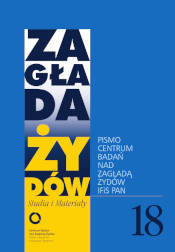 Zagłada Żydów.
Studia i Materiały
nr 18, R. 2022
Warszawa 2022
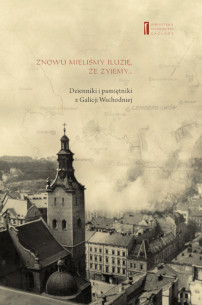
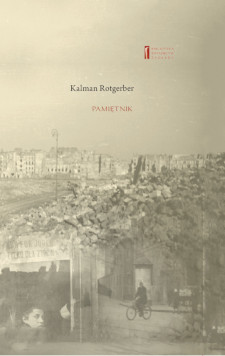 PAMIĘTNIK
Kalman Rotgeber
oprac. Aleksandra Bańkowska, wstęp Jacek Leociak
Warszawa 2021

Zagłada Żydów.
Studia i Materiały
nr 17, R. 2021
Warszawa 2021
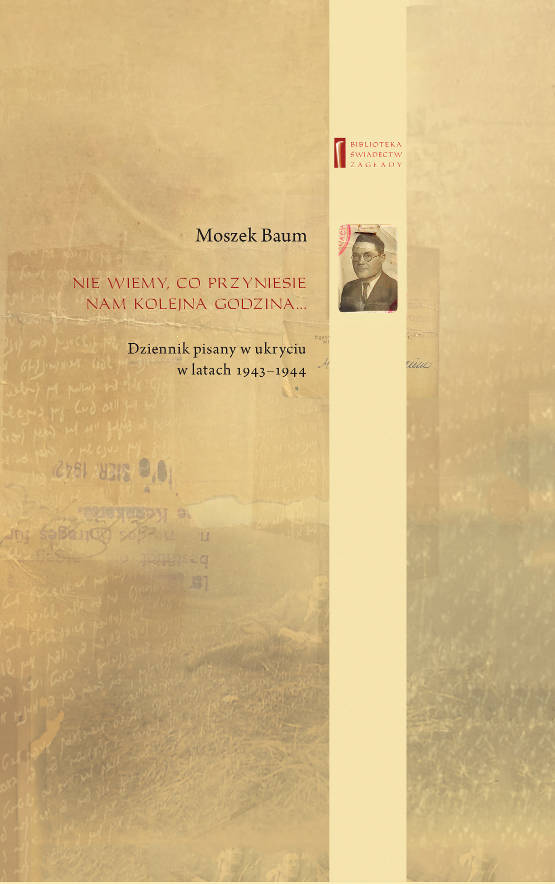 NIE WIEMY CO PRZYNIESIE NAM KOLEJNA GODZINA ...
Dziennik pisany w ukryciu w latach 1943-1944
Moszek Baum, oprac. Barbara Engelking, tłum. z jidysz Monika Polit
Warszawa 2020
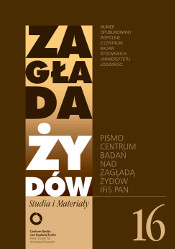
Zagłada Żydów.
Studia i Materiały
nr 16, R. 2020
Warszawa 2020
 Aryjskiego Żyda wspomnienia, łzy i myśli
Zapiski z okupacyjnej Warszawy
Sewek Okonowski, oprac. Marta Janczewska
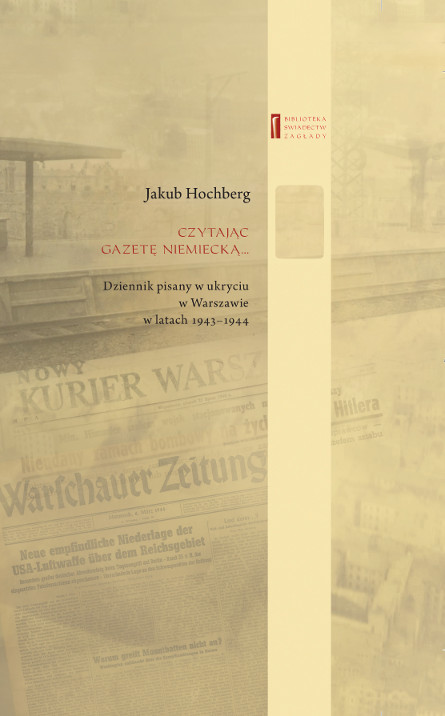
CZYTAJĄC GAZETĘ NIEMIECKĄ ...
Dziennik pisany w ukryciu w Warszawie w latach 1943-1944
Jakub Hochberg, oprac. i wstępem opatrzyła Barbara Engelking
Warszawa 2019

Zagłada Żydów.
Studia i Materiały
nr 15, R. 2019
Warszawa 2019
 Zagłada Żydów.
Studia i Materiały
nr 14, R. 2018
Warszawa 2018
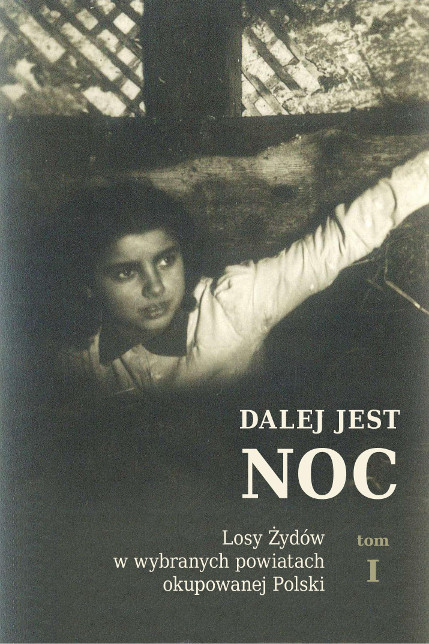 DALEJ JEST NOC. Losy Żydów w wybranych powiatach okupowanej Polski
red. i wstęp Barbara Engelking, Jan Grabowski
Warszawa 2018
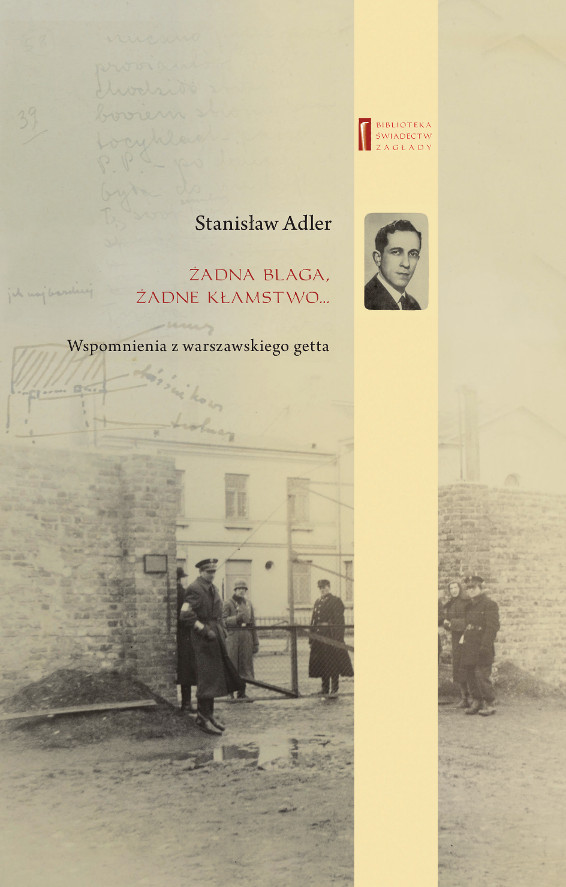 ŻADNA BLAGA, ŻADNE KŁAMSTWO ...
Wspomnienia z warszawskiego getta
Stanisław Adler, oprac. i wstępem opatrzyła Marta Janczewska
Warszawa 2018
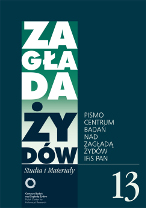 Zagłada Żydów.
Studia i Materiały
nr 13, R. 2017
Warszawa 2017
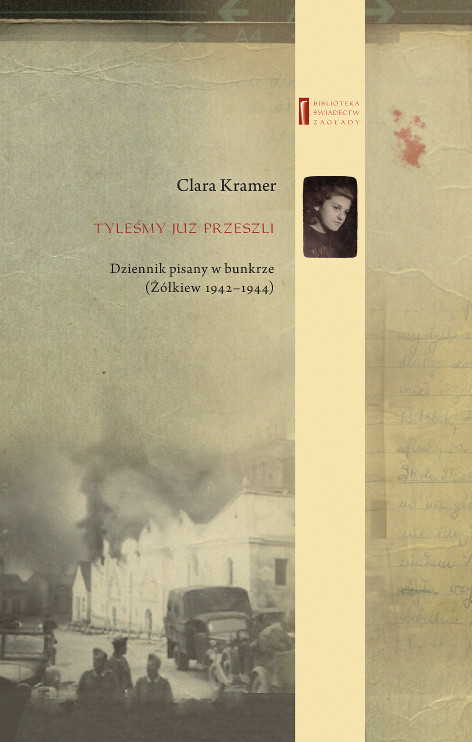 TYLEŚMY JUŻ PRZESZLI ...
Dziennik pisany w bunkrze (Żółkiew 1942-1944)
Clara Kramer, oprac. i wstępem opatrzyła Anna Wylegała
Warszawa 2017
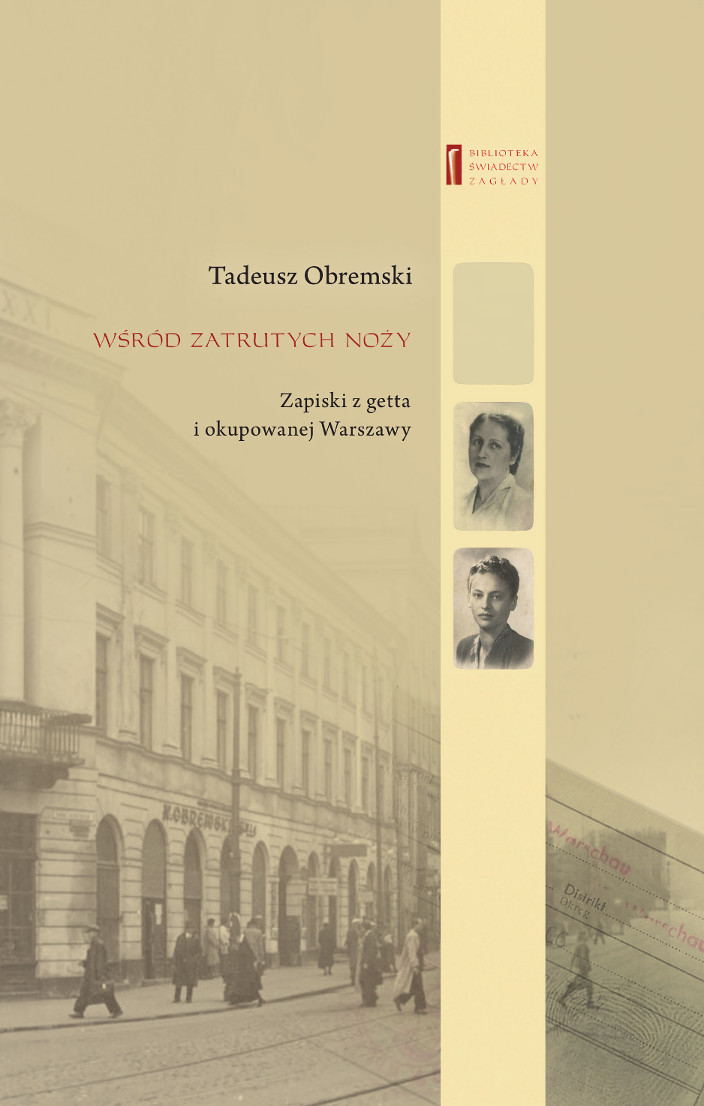 WŚRÓD ZATRUTYCH NOŻY ...
Zapiski z getta i okupowanej Warszawy
Tadeusz Obremski, oprac. i wstępem opatrzyła Agnieszka Haska
Warszawa 2017
 PO WOJNIE, Z POMOCĄ BOŻĄ, JUŻ NIEBAWEM ...
Pisma Kopla i Mirki Piżyców o życiu w getcie i okupowanej Warszawie
oprac. i wstępem opatrzyła Barbara Engelking i Havi Dreifuss
Warszawa 2017
 Zagłada Żydów.
Studia i Materiały
nr 12, R. 2016
Warszawa 2016
 SNY CHOCIAŻ MAMY WSPANIAŁE ...
Okupacyjne dzienniki Żydów z okolic Mińska Mazowieckiego
oprac. i wstępem opatrzyła Barbara Engelking
Warszawa 2016

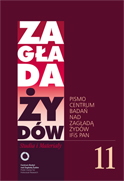 Zagłada Żydów.
Studia i Materiały
nr 11, R. 2015
Warszawa 2015
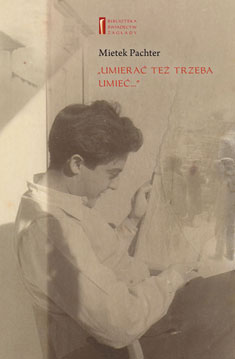 Mietek Pachter
UMIERAĆ TEŻ TRZEBA UMIEĆ ...
oprac. B. Engelking
Warszawa 2015
 Zagłada Żydów.
Studia i Materiały
nr 10, t. I-II, R. 2014
Warszawa 2015
 OCALONY Z ZAGŁADY
Wspomnienia chłopca z Sokołowa Podlaskiego
tłum. Elżbieta Olender-Dmowska
red .B. Engelking i J. Grabowski
Warszawa 2014
 ZAGŁADA ŻYDÓW. STUDIA I MATERIAŁY
vol. 9 R. 2013
Pismo Centrum Badań nad Zagładą Żydów IFiS PAN
Warszawa 2013
 ... TĘSKNOTA NACHODZI NAS JAK CIĘŻKA CHOROBA ...
Korespondencja wojenna rodziny Finkelsztejnów, 1939-1941
oprac. i wstępem opatrzyła Ewa Koźmińska-Frejlak
Warszawa 2012
Raul Hilberg
PAMIĘĆ I POLITYKA. Droga historyka Zagłady
tłum. Jerzy Giebułtowski
Warszawa 2012
 Monika Polit
"Moja żydowska dusza nie obawia się dnia sądu."
Mordechaj Chaim Rumkowski. Prawda i zmyślenie
Warszawa 2012

 Dariusz Libionka i Laurence Weinbaum
Bohaterowie, hochsztaplerzy, opisywacze. Wokół Żydowskiego Związku Wojskowego
Warszawa 2011

 Zagłada Żydów.
Studia i Materiały
R. 2011, nr. 7; Warszawa 2011

 Jan Grabowski
JUDENJAGD. Polowanie na Żydów 1942.1945.
Studium dziejów pewnego powiatu
Warszawa 2011

 Stanisław Gombiński (Jan Mawult)
Wspomnienia policjanta z warszawskiego getta
oprac. i wstęp Marta Janczewska
Warszawa 2010
Holocaust Studies and Materials
Journal of the Polish Center for Holocaust Research
Warssaw 2010
 Żydów łamiących prawo należy karać śmiercią!
"Przestępczość" Żydów w Warszawie, 1939-1942
B. Engelking, J. Grabowski
Warszawa 2010

Zagłada Żydów.
Studia i Materiały
R. 2010, nr. 6; Warszawa 2010
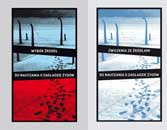
Wybór źródeł do nauczania o zagładzie Żydów
Ćwiczenia ze źródłami
red. A. Skibińska, R. Szuchta
Warszawa 2010
 W Imię Boże!
Cecylia Gruft
oprac. i wstęp Łukasz Biedka
Warszawa 2009

Zagłada Żydów.
Studia i Materiały
R. 2009, nr. 5; Warszawa 2009
 Żydzi w powstańczej Warszawie
Barbara Engelking i Dariusz Libionka
Warszawa 2009
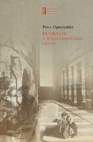 Reportaże z warszawskiego getta
Perec Opoczyński
Warszawa 2009
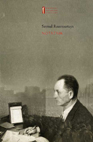 Notatnik
Szmul Rozensztajn
Warszawa 2008
 Holocaust
Studies and Materials.
English edition
2008, vol. 1; Warsaw 2008


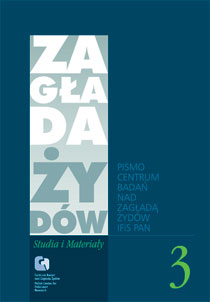
Zagłada Żydów. Studia i Materiały
R. 2007, nr. 3; Warszawa 2007

Prowincja noc.
Życie i zagłada Żydów w dystrykcie warszawskim
Warszawa 2007
 Utajone miasto.
Żydzi po 'aryjskiej' stronie Warszawy [1941-1944]
Gunnar S Paulsson
Kraków 2007
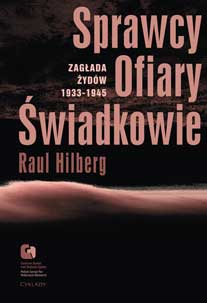 Sprawcy, Ofiary, Świadkowie.
Zagłada Żydów, 1933-1944
Raul Hilberg
Warszawa 2007
Zagłada Żydów. Studia i Materiały
R. 2006, nr. 2; Warszawa 2006
"Jestem Żydem, chcę wejść!".
Hotel Polski w Warszawie, 1943.
Agnieszka Haska
Warszawa 2006
Zagłada Żydów. Studia i Materiały
R. 2005, nr. 1; Warszawa 2005
 'Ja tego Żyda znam!'
Szantażowanie Żydów w Warszawie, 1939-1943.
Jan Grabowski
Warszawa 2004
 'Szanowny panie Gistapo!'
Donosy do władz niemieckich w Warszawie i okolichach, 1940-1941
Barbara Engelking, Warszawa 2003
aaa
Zagłada Żydów.
Studia i Materiały
nr 18, R. 2022
Warszawa 2022
PAMIĘTNIK
Kalman Rotgeber
oprac. Aleksandra Bańkowska, wstęp Jacek Leociak
Warszawa 2021
Zagłada Żydów.
Studia i Materiały
nr 17, R. 2021
Warszawa 2021
NIE WIEMY CO PRZYNIESIE NAM KOLEJNA GODZINA ...
Dziennik pisany w ukryciu w latach 1943-1944
Moszek Baum, oprac. Barbara Engelking, tłum. z jidysz Monika Polit
Warszawa 2020
Zagłada Żydów.
Studia i Materiały
nr 16, R. 2020
Warszawa 2020
Aryjskiego Żyda wspomnienia, łzy i myśli
Zapiski z okupacyjnej Warszawy
Sewek Okonowski, oprac. Marta Janczewska
CZYTAJĄC GAZETĘ NIEMIECKĄ ...
Dziennik pisany w ukryciu w Warszawie w latach 1943-1944
Jakub Hochberg, oprac. i wstępem opatrzyła Barbara Engelking
Warszawa 2019
Zagłada Żydów.
Studia i Materiały
nr 15, R. 2019
Warszawa 2019
Zagłada Żydów.
Studia i Materiały
nr 14, R. 2018
Warszawa 2018
DALEJ JEST NOC. Losy Żydów w wybranych powiatach okupowanej Polski
red. i wstęp Barbara Engelking, Jan Grabowski
Warszawa 2018
ŻADNA BLAGA, ŻADNE KŁAMSTWO ...
Wspomnienia z warszawskiego getta
Stanisław Adler, oprac. i wstępem opatrzyła Marta Janczewska
Warszawa 2018
Zagłada Żydów.
Studia i Materiały
nr 13, R. 2017
Warszawa 2017
TYLEŚMY JUŻ PRZESZLI ...
Dziennik pisany w bunkrze (Żółkiew 1942-1944)
Clara Kramer, oprac. i wstępem opatrzyła Anna Wylegała
Warszawa 2017
WŚRÓD ZATRUTYCH NOŻY ...
Zapiski z getta i okupowanej Warszawy
Tadeusz Obremski, oprac. i wstępem opatrzyła Agnieszka Haska
Warszawa 2017
PO WOJNIE, Z POMOCĄ BOŻĄ, JUŻ NIEBAWEM ...
Pisma Kopla i Mirki Piżyców o życiu w getcie i okupowanej Warszawie
oprac. i wstępem opatrzyła Barbara Engelking i Havi Dreifuss
Warszawa 2017
Zagłada Żydów.
Studia i Materiały
nr 12, R. 2016
Warszawa 2016
SNY CHOCIAŻ MAMY WSPANIAŁE ...
Okupacyjne dzienniki Żydów z okolic Mińska Mazowieckiego
oprac. i wstępem opatrzyła Barbara Engelking
Warszawa 2016
Zagłada Żydów.
Studia i Materiały
nr 11, R. 2015
Warszawa 2015
Mietek Pachter
UMIERAĆ TEŻ TRZEBA UMIEĆ ...
oprac. B. Engelking
Warszawa 2015
Zagłada Żydów.
Studia i Materiały
nr 10, t. I-II, R. 2014
Warszawa 2015
OCALONY Z ZAGŁADY
Wspomnienia chłopca z Sokołowa Podlaskiego
tłum. Elżbieta Olender-Dmowska
red .B. Engelking i J. Grabowski
Warszawa 2014
ZAGŁADA ŻYDÓW. STUDIA I MATERIAŁY
vol. 9 R. 2013
Pismo Centrum Badań nad Zagładą Żydów IFiS PAN
Warszawa 2013
... TĘSKNOTA NACHODZI NAS JAK CIĘŻKA CHOROBA ...
Korespondencja wojenna rodziny Finkelsztejnów, 1939-1941
oprac. i wstępem opatrzyła Ewa Koźmińska-Frejlak
Warszawa 2012
Raul Hilberg
PAMIĘĆ I POLITYKA. Droga historyka Zagłady
tłum. Jerzy Giebułtowski
Warszawa 2012
Monika Polit
"Moja żydowska dusza nie obawia się dnia sądu."
Mordechaj Chaim Rumkowski. Prawda i zmyślenie
Warszawa 2012
Dariusz Libionka i Laurence Weinbaum
Bohaterowie, hochsztaplerzy, opisywacze. Wokół Żydowskiego Związku Wojskowego
Warszawa 2011
Zagłada Żydów.
Studia i Materiały
R. 2011, nr. 7; Warszawa 2011
Jan Grabowski
JUDENJAGD. Polowanie na Żydów 1942.1945.
Studium dziejów pewnego powiatu
Warszawa 2011
Stanisław Gombiński (Jan Mawult)
Wspomnienia policjanta z warszawskiego getta
oprac. i wstęp Marta Janczewska
Warszawa 2010
Holocaust Studies and Materials
Journal of the Polish Center for Holocaust Research
Warssaw 2010
Żydów łamiących prawo należy karać śmiercią!
"Przestępczość" Żydów w Warszawie, 1939-1942
B. Engelking, J. Grabowski
Warszawa 2010
Zagłada Żydów.
Studia i Materiały
R. 2010, nr. 6; Warszawa 2010
Wybór źródeł do nauczania o zagładzie Żydów
Ćwiczenia ze źródłami
red. A. Skibińska, R. Szuchta
Warszawa 2010
W Imię Boże!
Cecylia Gruft
oprac. i wstęp Łukasz Biedka
Warszawa 2009
Zagłada Żydów.
Studia i Materiały
R. 2009, nr. 5; Warszawa 2009
Żydzi w powstańczej Warszawie
Barbara Engelking i Dariusz Libionka
Warszawa 2009
Reportaże z warszawskiego getta
Perec Opoczyński
Warszawa 2009
Notatnik
Szmul Rozensztajn
Warszawa 2008
Holocaust
Studies and Materials.
English edition
2008, vol. 1; Warsaw 2008
Zagłada Żydów. Studia i Materiały
R. 2007, nr. 3; Warszawa 2007
Prowincja noc.
Życie i zagłada Żydów w dystrykcie warszawskim
Warszawa 2007
Utajone miasto.
Żydzi po 'aryjskiej' stronie Warszawy [1941-1944]
Gunnar S Paulsson
Kraków 2007
Sprawcy, Ofiary, Świadkowie.
Zagłada Żydów, 1933-1944
Raul Hilberg
Warszawa 2007
Zagłada Żydów. Studia i Materiały
R. 2006, nr. 2; Warszawa 2006
"Jestem Żydem, chcę wejść!".
Hotel Polski w Warszawie, 1943.
Agnieszka Haska
Warszawa 2006
Zagłada Żydów. Studia i Materiały
R. 2005, nr. 1; Warszawa 2005
'Ja tego Żyda znam!'
Szantażowanie Żydów w Warszawie, 1939-1943.
Jan Grabowski
Warszawa 2004
'Szanowny panie Gistapo!'
Donosy do władz niemieckich w Warszawie i okolichach, 1940-1941
Barbara Engelking, Warszawa 2003
aaa
Nowy Swiat St. 72, 00-330 Warsaw; POLAND;
Palac Staszica room 120
e-mail: centrum@holocaustresearch.pl
Żydzi w powstańczej Warszawie na łamach The New York Review of Books
Żydzi w powstańczej Warszawie na łamach The New York Review of Books
14.06.2010 15:33:16
Timothy Snyder recenzuje książkę B. Engelking i D. Libionki pt. "Żydzi w powstańczej Warszawie" na łamach THE NEW YORK REVIEW OF BOOKS
źródło: The New Yor Review of Books
 Żydzi, Polacy i Naziści: tragiczna historia
Timothy Snyder
Remembering Survival: Inside a Nazi Slave-Labor Camp
by Christopher R. Browning
Norton, 375 pp., $27.95
Żydzi w powstańczej Warszawie [Jews in Insurrectionary Warsaw, 1944]
by Barbara Engelking and Dariusz Libionka
Polish Center for Holocaust Research, 358 pp., zł44.0
[...] W 1943 r. Armia Krajowa stanęła przed nierozstrzygalnym dylematem: Niemcy przegrywały wojnę, a wygrywały ją Sowiety. W lutym tego roku, pod Stalingradem, Wehrmacht poniósł pierwszą wielką klęskę. Od tej pory Armia Krajowa zmuszona była stawiać opór Niemcom i jednocześnie przygotowywać się na wkroczenie Sowietów. W kwietniu propaganda niemiecka ujawniła, przedstawiając trudne do odparcia dowody, że Sowieci rozstrzelali w Katyniu tysiące oficerów polskich. Stalin wykorzystał fakt ujawnienia dokonanej przezeń masakry jako pretekst do zerwania stosunków dyplomatycznych z Polską. Była to niewątpliwa oznaka ambicji imperialnych. Skoro Stalin nie uznawał prawowitego rządu RP podczas wspólnej wojny z nazistowskimi Niemcami, dlaczego miałby popierać niepodległość Polski po zwycięstwie sowieckim?

