
Recenzja książki Timoty'ego Snydera pt. Czarna ziemia pióra Jana Grabowskiego
Recenzja książki Timoty'ego Snydera pt. Czarna ziemia pióra Jana Grabowskiego
07.03.2016 14:49:45
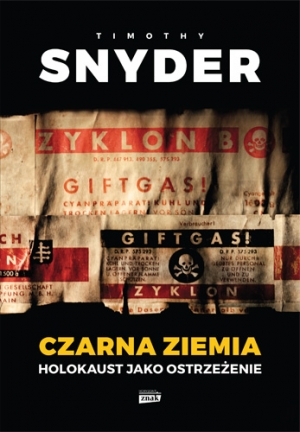
Udostępniamy recenzję szeroko dyskutowanej książki Timoty'ego Snydera pt. Czarna ziemia. Holokaust jako ostrzeżenie pióra prof. Jana Grabowskiego, opublikowaną w ostatnim numerze rocznika "Zagłada Żydów. Studia i Materiały"
Timothy Snyder, Black Earth: The Holocaust as History and Warning, New York: Tim Duggan Books, 2015, 480 s. (wyd. polskie: Czarna ziemia. Holokaust jako ostrzeżenie, tłum. Bartłomiej Pietrzyk, Kraków: Znak, 2015, 448 s.)
 Timothy Snyder, profesor historii na Yale University, jest autorem dobrze znanym polskiemu czytelnikowi1. Jego praca Skrwawione ziemie. Europa między Hitlerem a Stalinem, wydana cztery lata temu2, spotkała się z życzliwym przyjęciem zarówno odbiorców, jak i czynników państwowych, i doczekała się wielu wyróżnień, w tym Nagrody Historycznej im. Kazimierza Moczarskiego za najlepszą książkę historyczną (2012 r.). Snyder ma lekkie pióro, pisze wartką prozą, która wciąga czytelników, nawet tych niespecjalnie zainteresowanych historią. Ponadto Skrwawione ziemie stanowiły popis erudycyjny, oparty na świetnej znajomości literatury przedmiotu powstałej w co najmniej pięciu językach europejskich. Z kolei wśród specjalistów, a zwłaszcza wśród badaczy historii Szoa, książka ta wywołała mniejszy entuzjazm i wzbudziła mieszane uczucia. Snyderowi zarzucano uproszczenia i błędy, które trudno było pominąć milczeniem. Najważniejsze z zastrzeżeń dotyczyło prawie zupełnego zanegowania roli ideologii antysemickiej jako czynnika sprawczego Zagłady. Autora oskarżono również o relatywizację Holokaustu, zacieranie wyjątkowości hitlerowskiego projektu eksterminacyjnego, jego rozmycie w morzu cierpienia innych narodów zamieszkujących niefortunne „skrwawione ziemie”.
Najnowszą książkę Timothy’ego Snydera pt. Czarna ziemia. Holokaust jako ostrzeżenie można śmiało traktować jako rozwinięcie i kontynuację niektórych wątków poruszanych w Skrwawionych ziemiach. Przede wszystkim autor zajmuje się analizą tych samych terenów, ciężar narracji spoczywa bowiem na „skrwawionych ziemiach” – na Polsce, krajach bałtyckich, Ukrainie, Białorusi i na rubieżach Związku Sowieckiego. I tym razem geografia determinuje los ludzki: mieszkańcy opisywanych obszarów giną wraz z państwami, które mogłyby im zaofiarować jakąś, choćby niewielką, dozę bezpieczeństwa. Wątek „zniszczonych państw” jest zresztą tak zasadniczy dla toku narracji, że przyjdzie nam zająć się nim bardziej szczegółowo.
 W odróżnieniu od znanych prac o charakterze syntetycznym dotyczących Holokaustu (takich jak monumentalne dzieła Raula Hilberga, Christopera Browninga, Saula Friedländera czy też książki Petera Longericha i Martina Gilberta) publikacja amerykańskiego historyka jest w zasadzie rozległym esejem historycznym i na próżno szukać w nim wyczerpującego omówienia całej tematyki Zagłady. Snyder zaczyna swój wywód od dość skróconej prezentacji światopoglądu Hitlera, jego obsesji na punkcie światowego spisku żydowskiego oraz od wypływającej stąd konieczności zapewnienia Niemcom, rasie panów, odpowiedniej „przestrzeni życiowej”. Walka o położony na Wschodzie Lebensraum miała się odbyć – jak sądził Hitler – w starciu ze światowym żydostwem oraz jego sługami, przede wszystkim ze Związkiem Sowieckim. Kolejne rozdziały poświęcone są „sprawie żydowskiej” jako jednemu z ważniejszych elementów przedwojennej polityki międzynarodowej, ze szczególnym uwzględnieniem aktywności polskiego MSZ na tym odcinku. Najważniejsza – i najbardziej spójna – część książki dotyczy hitlerowskiej doktryny „niszczenia państw” jako niezbędnego środka ułatwiającego osiągnięcie celu, którym było zdobycie hegemonii rasy germańskiej na scenie europejskiej, ewentualnie – światowej. Opis unicestwiania państw Snyder zaczyna od Austrii, kontynuując przez Czechosłowację, aż po Polskę oraz – po inwazji na Związek Sowiecki – resztę słowiańskiego Wschodu i kraje bałtyckie. Destrukcji państw towarzyszyło – wywodzi autor – wyniszczanie Żydów, a stopień skuteczności niemieckich działań eksterminacyjnych był wprost proporcjonalny do stopnia zburzenia miejscowych struktur państwowych. W tym kontekście szczególny akcent Snyder kładzie na tereny, które nazywa „strefą podwójnej okupacji” lub też „podwójnej destrukcji państwa”, czyli wschodnie rubieże RP oraz kraje bałtyckie, których państwowość wpierw padła ofiarą sowieckiej agresji, a latem 1941 r. – hitlerowskiej. Na tych obszarach byli komuniści oraz byli funkcjonariusze sowieckiego aparatu represji ochoczo włączyli się w niemiecki projekt Zagłady, gdyż w ten sposób „Żydów poświęcono w imię świętego kłamstwa o zbiorowej niewinności reszty” (s. 243). Innymi słowy: to nie miejscowi Białorusini, Polacy, Ukraińcy czy Litwini mieli współpracować z Sowietami w latach 1939–1941, lecz Żydzi. Zagłada ludności żydowskiej miała wobec tego wielorakie znaczenie i uniwersalne zastosowania: uwalniała wspólnoty lokalne od zarzutów o kolaborację, zezwalała na wkupienie się w łaski nowego okupanta oraz, rzecz niebagatelna, przypieczętowywała finalność rabunku własności żydowskiej. Wprowadzenie wyrażenia „podwójna destrukcja państwa” pozwala autorowi na dokładne omówienie szerszej tematyki wymordowania Żydów przez Einsatzkomanda, policję oraz ich miejscowych pomocników. Temat ten, znany dziś w historiografii zachodniej pod nazwą „Holokaust od kuli” (Holocaust by bullets), wprowadził na dobre do obiegu ks. Patrick Desbois, na którego zresztą – rzecz dziwna – Snyder się nigdzie nie powołuje. Jak podkreśla wielokrotnie autor, masowe rozstrzeliwania Żydów na tyłach frontu wschodniego pochłonęły ponad milion ofiar, dokonywały się w sposób publiczny, jawny, wciągając w orbitę polityki eksterminacyjnej setki tysięcy niemieckich żołnierzy (i ich rodziny), w pełni świadomych skali i przebiegu mordów. Książkę kończą rozważania poświęcone różnym strategiom, przyczynom i powodom ratowania i nieratowania Żydów zarówno w wymiarze instytucjonalnym, jak i indywidualnym. Całość zamyka zakończenie zatytułowane „Nasz świat”, w którym historyk usiłuje odpowiedzieć na pytania dotyczące lekcji płynących z Holokaustu dla dzisiejszego świata.
Monokauzalność w wyjaśnianiu przyczyn Zagłady
Krytyczne omówienie Czarnej ziemi należy zacząć od samego wprowadzenia, poświęconego światopoglądowi Hitlera lub raczej – miejscu Żydów w jego światopoglądzie. W odpowiedzi, jak można przypuszczać, na zarzuty stawiane wcześniej Skrwawionym ziemiom nowa książka Snydera rozpoczyna się właśnie od obszernego omówienia antyżydowskich obsesji Führera. Wywód amerykańskiego historyka o podstawowej i zasadniczej roli „żydowskiego zagrożenia” w ideologicznym Weltanschauung Hitlera najlepiej podsumowuje tytuł artykułu (również niecytowanego) Miltona Himmelfarba sprzed ponad trzydziestu lat: No Hitler, no Holocaust („Bez Hitlera nie ma Zagłady”). Szkoda jedynie, że kwestie motywacji ideologicznych, otwierające wywód Snydera, w dalszej części książki zdecydowanie schodzą na plan dalszy, ustępując miejsca „destrukcji państwa”.
Książki Tymothy’ego Snydera cieszą się w świecie dużym powodzeniem. Jedną z przyczyn ich popularności jest bez wątpienia świetne pióro autora. Innym źródłem jego sukcesu jest prostota argumentacji, wręczająca nawet słabo zorientowanym w historii odbiorcom uniwersalny klucz, za pomocą którego można wyjaśnić bardzo skomplikowane procesy i zagadnienia. Owym kluczem Czarnej ziemi jest wcześniej wspomniana „destrukcja państw”. Polskich czytelników (nie mówiąc już o polskich historykach) nie trzeba przekonywać, że terror niemiecki na Wschodzie był nieporównywalny z przemocą stosowaną przez Niemców na zachodzie kontynentu. Powiedzmy więcej: większość z nich zdaje sobie sprawę z tego, że podczas wojny wiele państw europejskich znalazło się pod niemiecką okupacją, ze wszelkimi tego konsekwencjami. Jednak to właśnie tę dość oczywistą tezę, ukrytą w tym wypadku pod nazwą „destrukcji państwa”, autor Czarnej ziemi udowadnia na kilkuset stronach swojej książki. Leitmotiv pracy streścić można w kilku słowach: jest państwo – są Żydzi; nie ma państwa – nie ma Żydów”. Tam, gdzie Niemcom udało się zniszczyć struktury państwowe, los Żydów był bez porównania gorszy niż ich współwyznawców w krajach nadal zachowujących zręby własnej państwowości – pisze Snyder. Warto dosłownie zacytować autora: „W całej Europie, choć w różnych miejscach w różnym stopniu, okupacja niemiecka niszczyła instytucje, które idee wzajemności czyniły wiarygodnymi. Tam, gdzie Niemcy unicestwili konwencjonalne państwa lub zrównali z ziemią sowieckie instytucje, które niedawno zniszczyły te państwa, otwierała się otchłań, a rasizm i polityka wszystko inne ściągały w nicość” (s. 413).
Wyrażenie „destrukcja państwa” (state destruction) powraca w tekście Syndera z męczącą częstotliwością; tak jakby historyk chciał się upewnić, że nawet najmniej spostrzegawczy odbiorca zdoła zrozumieć przesłanie książki. Zdarzają się strony, na których – odmieniane w rozmaitych przypadkach – sformułowanie to powraca po cztery, pięć razy! Jak zauważył Witold Gombrowicz: „Coś, co warto jest powiedzieć raz, warto powtórzyć”. Trudno jednak przypuszczać, że pojęcie destrukcji państwa warto jest powtarzać kilkaset razy – o czym przekonać się może każdy czytelnik Czarnej ziemi. Zamiast tego można po prostu powiedzieć, nie odkrywając przy tym niczego nowego, że Niemcy tam, gdzie tylko mogli sobie na to pozwolić, wprowadzali system rządów oparty na nieznanym w dziejach terrorze. A mogli zrobić to na tych obszarach Europy, na których nie musieli się liczyć w najmniejszym stopniu z miejscową i światową opinią publiczną, na terenach zamieszkanych przez ludność najmniej – z hitlerowskiego punktu widzenia – wartościową rasowo. Innymi słowy: u nas i u naszych sąsiadów. Dla amerykańskiego historyka takie wyjaśnienie nie jest jednak wystarczające, stąd też pojawia się koncepcja „destrukcji państwa”, mająca stanowić uniwersalny klucz do zrozumienia przyczyn zagłady Żydów oraz fundament wspierający całą narrację.
Biorąc pod uwagę wszechobecność tego pojęcia, trudno się dziwić, że jest ono stosowane przez Snydera zarówno do odpowiedzi na pytanie, dlaczego doszło do całkowitej eksterminacji ludności żydowskiej w Estonii (1941 r.), jak i wyjaśnienia faktu, że próba przeprowadzenia zagłady Żydów w Danii (1943 r.) spaliła na panewce. To samo założenie („częściowa destrukcja holenderskiej państwowości”) ma tłumaczyć niezwykle wysoki – jak na zachodnią Europę – procent zgładzonych holenderskich Żydów. Zagadnienie to jest obecnie gorąco dyskutowane w Holandii, ale przyczyny i tezy wysuwane przez tamtejszych historyków, takich jak Bart van der Boom, Pim Griffioen, Christina Morina czy Remco Ensel, są o wiele bardziej zniuansowane niż wynikałoby to z lektury Czarnej ziemi. Hipotezę o wpływie destrukcji państwowości na (nie)przetrwanie Żydów Snyder testuje tam, gdzie może ona mieć zastosowanie, oraz tam, gdzie zastosowania takiego raczej nie ma. W przypadku Żydówek uciekających z Polski na aryjskich papierach na roboty do Niemiec autor stwierdza: „fakt, że nazistowskie Niemcy były państwem, przyciągał tam Żydówki ze wschodu” (s. 334)”. Jak dobrze wiedzą ocalali oraz historycy przedmiotu, tym, co przyciągało polskie Żydówki do Niemiec nie była przecież antycypowana opieka państwa niemieckiego, lecz ucieczka od „aryjskich” współobywateli, dla których rozpoznanie (i zadenuncjowanie) Żyda było najprostszą z rzeczy.
„Destrukcja państw”, jak pisze Snyder, rozbudowując kluczowy element swojej argumentacji, była czymś bez precedensu. Stanowiła krok niezwykle radykalny – zaznacza amerykański historyk. Nie jest do końca jasne, dlaczego i w jakim stopniu „niszczenie państwa” przez hitlerowców miało modyfikować postawy ludzkie. Zamiast dość abstrakcyjnej koncepcji „destrukcji państwa” o ileż prościej – i słuszniej – jest odwołać się do natężenia polityki terroru. Przecież Generalna Gubernia, to nie były, jak zdaje się sugerować Snyder, „Dzikie Pola”. W ciągu 1943 r. (a już szczególnie w roku 1944) sytuacja na jej terenie ewoluowała w kierunku anarchii, ale latem i na jesieni 1942 r., gdy Niemcy opróżniali getta i wywozili milion polskich Żydów do obozów śmierci, Generalna Gubernia nie była jeszcze pogrążona w chaosie. Mimo terroru i gwałtów robotnicy pracowali w fabrykach, lekarze przyjmowali pacjentów, zbierano podatki, płacono czynsze, policja regulowała ruch na skrzyżowaniach, sądy sądziły podsądnych, dość regularnie odstawiano kontyngenty, a kina pękały w szwach. W jakim stopniu „destrukcja państwa” wpłynąć miała na los ludności żydowskiej? Przecież zapędzenie Żydów do gett, ich powolne konanie i ostateczna wywózka dokonywały się przy wydatnej pomocy tysięcy granatowych policjantów, strażaków, junaków z Baudienstu oraz setek tysięcy mniej lub bardziej aktywnych „gapiów”. Natomiast nastawienie polskiego społeczeństwa do przebywających poza gettami Żydów było, powiedzmy oględnie, niechętne. Nie chodzi tu więc o dość abstrakcyjną „destrukcję państwa”, lecz o terror podniesiony do rangi naczelnego, podstawowego narzędzia polityki wewnętrznej, terror i powszechność przemocy, które w sposób jednoznaczny ułatwiały włączenie się pewnych segmentów miejscowych wspólnot w proces wyniszczenia Żydów.
Rozważając właśnie tę kwestię, Snyder twierdzi, że ludność zamieszkująca zonę „podwójnej destrukcji państwa” przyłączyła się do procesu eksterminacji swoich byłych żydowskich współobywateli o wiele bardziej ochoczo niż ludność polska na zachodzie: „W okupowanym ZSRR Żydów zaczęto zabijać od razu po kontakcie z wojskami niemieckimi. W okupowanej Polsce Holokaust rozpoczął się ponad dwa lata po inwazji niemieckiej i w znacznej części odbywał się w izolacji od miejscowej ludności” (s. 204). Amerykański historyk jest w błędzie: opis Zagłady w Generalnej Guberni nie powinien ograniczać się wyłącznie do analizy doświadczenia żydowskiego losu z kilku gett odciętych murem, takich jak Warszawa czy Kraków – choć nawet i w tych wypadkach nie było mowy o całkowitej izolacji. Ogromna większość polskich Żydów żyła w gettach otwartych bądź pół-otwartych, gdzie fizyczne oddzielenie od strony aryjskiej (drewniane płoty, drut kolczasty) było czynnikiem o wiele mniej istotnym od izolacji psychologicznej od zewnętrznego świata. Trzeba także pamiętać, że setki tysięcy polskich Żydów uniknęły zamknięcia w gettach; znaleźli się oni w dzielnicach zamkniętych dopiero wiosną i latem 1942 r., w przededniu deportacji do obozów zagłady. O izolacji tych Żydów nie było więc mowy. Co bardziej istotne, wywózki polskich Żydów, czyli tzw. akcje likwidacyjne (Aktionen), przeprowadzane według jednakowego scenariusza w setkach polskich miejscowości, stały się publicznym spektaklem, oglądanym przez miliony Polaków. Akcje stanowiące orgię przemocy, w trakcie których ulice miast i miasteczek dosłownie spłynęły krwią, odbyły się przy aktywnym współudziale wielu Polaków, przyczyniających się na różne sposoby do śmierci swoich żydowskich sąsiadów. Tysiące „gapiów” towarzyszyły pędzonym do pociągów Żydom w ostatniej drodze, tysiące innych wzięły udział w przeszukiwaniach dopiero co opróżnionych gett, rabując żydowskie mienie i wyciągając z bunkrów i schowków ukrywających się Żydów. A obok tych obserwatorów w proces eksterminacji w sposób bardziej zorganizowany włączyli się granatowi policjanci, strażacy i junacy z Baudienstu. Nawet zupełnie powierzchowna lektura relacji żydowskich z Tarnowa, Działoszyc, Miechowa, Dąbrowy, Szczebrzeszyna, Węgrowa, Stoczka, Sokołowa, Siedlec i mnóstwa innych miejscowości, których nie sposób tu wyliczyć, dostarcza przekonujących i niepodważalnych dowodów na to, że Zagłada w Polsce nie była „odizolowana od miejscowej ludności” – jak sugeruje Snyder.
„Podwójna okupacja”
Drugim kluczem interpretacyjnym Czarnej ziemi jest wspomniany wcześniej koncept „podwójnej okupacji”. Według autora to właśnie na tych terenach szczególna rola w mordowaniu Żydów miała przypaść elementom miejscowym, członkom różnorakich milicji, rekrutującym się spośród byłych sowieckich kolaborantów. Zrzucając winę na Żydów (i ich mordując), zacierali oni ślady i oczyszczali się z zarzutów o wcześniejszą współpracę z komunistami. Autor ma tu niewątpliwie sporo racji: tego rodzaju mechanizm rzeczywiście funkcjonował (jak widać to choćby na przykładzie niektórych sprawców zbrodni w Jedwabnem), nie należy tego jednak niepotrzebnie uogólniać i absolutyzować. Milicjanci i policjanci służą po prostu kolejnym władzom, taka już jest natura tej profesji, a na ich usługi było, jest i będzie zapotrzebowanie w każdym systemie. Nic więc dziwnego, że pewna liczba litewskich czy też łotewskich przedwojennych funkcjonariuszy policji służyła wpierw w organach ścigania niepodległej Litwy czy Łotwy, potem pomagała Sowietom, a następnie ochoczo podjęła współpracę z Niemcami. Czy był to jednak trend ogólny, jak twierdzi Snyder, po raz kolejny odwołując się do fenomenu „podwójnej destrukcji państwa”? Na obecnym etapie badań trudno jest na to pytanie odpowiedzieć, a prace Martina Deana, Sauliusa Suziedelisa czy Christopha Dieckmanna nie zezwalają na wyciągnięcie tak daleko idących wniosków. Nawet pobieżny zaś przegląd zgłoszeń kandydatów z terenów wschodnich do Schutzmannschaftbatalionów zdaje się wskazywać na coś wręcz przeciwnego: większość ochotników to młodzi i bardzo młodzi synowie chłopscy, bez „zaszłości”, szukający jakiegoś zajęcia będącego ucieczką przed nędzą. Poza tym na koniec sam autor przyznaje, że bez względu na to, czy dany obszar można zaliczyć do pojedynczej, czy też podwójnej „destrukcji państwa”, los miejscowych Żydów i tak był ten sam: ginęli prawie wszyscy.
Snyder w sposób zdecydowany wypowiada się na temat „paradoksu Auschwitz” – zjawiska polegającego na tym, że upamiętnianie Oświęcimia odbywa się – jak twierdzi historyk – kosztem prawdy historycznej o Zagładzie. Trzeba przy tym pamiętać, że autor przede wszystkim zwraca się do czytelników zachodnich, anglojęzycznych, dla których Auschwitz istotnie jest jednym z niewielu, jeżeli nie jedynym, punktem odniesienia w rozważaniach o Szoa. Warto tu zacytować fragment jego wywodu: „Auschwitz stało się [!] też standardowym skrótowym określeniem Holocaustu, ponieważ spojrzenie nań z mitycznej i redukcjonistycznej perspektywy pozwala oddzielić masowy mord na Żydach od ludzkich wyborów oraz działań. Ograniczając w ten sposób postrzeganie tej zagłady, można ją odizolować od większości nacji, które dotknęła, a także od krajobrazów, które odmieniła” (s. 276). Trudno się w tym miejscu ze Snyderem nie zgodzić. Mit Auschwitz rzeczywiście stał się słowem kluczem zakorzenionym w powszechnej świadomości, prowadzącym do niebezpiecznych uproszczeń i zezwalającym wielu na łatwe „oswojenie” tematu. O ile można pojąć, dlaczego obóz w Oświęcimiu, jego rola oraz miejsce w hitlerowskim schemacie Zagłady zostały przez Snydera opisane skrótowo, o tyle prawie zupełne pominięcie w książce obozów akcji „Reinhardt” jest trudne do zrozumienia i jeszcze trudniejsze do zaakceptowania. Ośrodki zagłady w Bełżcu, Majdanku, Sobiborze i Treblince – gdzie wymordowano około 1 500 000 Żydów – w książce Snydera na dobrą sprawę nie pojawiają się w ogóle. Na próżno by szukać w Czarnej ziemi informacji o Treblince, miejscu śmierci prawie miliona Żydów (w tym 300 tys. z Warszawy). Nazwa „Treblinka” pojawia się w tekście co prawda osiem razy, ale są to odniesienia peryferyjne i niemające najmniejszej wagi informacyjnej. Zaledwie dwukrotnie Snyder zahacza o samą historię obozu, poświęcając jej kilka zdań. Czy można, pisząc o Holokauście, pominąć milczeniem ten „niezwykle wydajny pas transmisyjny śmierci” – jak określił Treblinkę w rozmowie z Lanzmannem untersturmführer Franz Suchomel, szef komanda „Goldjuden” odpowiedzialnego za zbieranie kosztowności zabitych? Nawiasem mówiąc, obozy zagłady w Sobiborze i w Bełżcu potraktowane są z jeszcze większą nonszalancją. Czy można opisywać zagładę europejskich Żydów i ledwie wspomnieć o czterech największych (poza Auschwitz-Birkenau) fabrykach śmierci?
Problem ze strukturą
Czarna ziemia jest książką zdającą się szukać – aż do ostatnich stron – własnego rytmu i sensu. Na skutek niejasnej struktury wewnętrznej i braku spójności tekstu nie zawsze są to poszukiwania zwieńczone powodzeniem. Powstają pytania o rolę, jaką odgrywają rozdziały poświęcone np. dyplomacji międzynarodowej w latach przedwojennych („Berlin, Warszawa, Moskwa”). Można odnieść wrażenie, że Snyder przeczytał wiele ciekawych rzeczy, którymi chciałby się z czytelnikami podzielić, nawet jeżeli nie wiążą się one bezpośrednio z omawianą tematyką. Pewne zdziwienie budzi fakt, że omówienie krótkotrwałej i mało w sumie istotnej akcji pomocy dla żydowskich nacjonalistów w latach 1937–1939 prowadzonej przez polskie MSZ zajmuje w książce o Zagładzie kilkakrotnie więcej miejsca niż opis operacji „Reinhardt”. Wspomnianą akcję prowadził Wiktor Tomir Drymmer, éminence grise u boku Becka oraz szef kadr w MSZ. Celem działań wspierających Irgun było utworzenie w Palestynie państwa żydowskiego, w wyniku czego doszłoby do upragnionej przez Drymmera i jego współpracowników masowej emigracji Żydów z Polski. Nawiasem mówiąc, o Drymmerze (którego działalność jest świetnie znana i była przez polskich historyków wielokrotnie opisywana) Snyder wspomina dziewięciokrotnie, poświęcając mu nieco więcej miejsca niż Treblince. Mogę jedynie dodać, że Wiktor Tomir Drymmer po wojnie osiadł w Kanadzie, gdzie zajmował się stolarką, na którym to polu odniósł większe sukcesy niż w dyplomacji.
Podobne zastrzeżenia dotyczące struktury i spójności tekstu pojawiają się w trakcie lektury końcowych rozdziałów książki, przedstawiających różne formy, uwarunkowania i przyczyny ratowania Żydów. W tym przypadku Snyder ucieka się do przywołania całego szeregu żydowskich świadectw z zespołu 301 z ŻIH oraz wywiadów z ocalałymi z zasobów USHMM i YIVO. Stanowią one lekturę niezwykle ciekawą, gdyż historie ocalałych są pasjonujące i – jak wiedzą badacze Holokaustu – można je zaliczyć do najbardziej wzruszających dokumentów epoki. Jest z czego wybierać, gdyż w samym ŻIH tych tzw. wczesnych relacji żydowskich jest ponad siedem tysięcy. Nie do końca jednak wiadomo, czym kierował się autor Czarnej ziemi, dobierając takie, a nie inne akta. Mimo często występujących odwołań do „destrukcji państwa” u czytelnika pojawia się uzasadnione podejrzenie, że zarówno Drymmer, jak i relacje z zespołu 301 z ŻIH trafiły na karty recenzowanej pracy przez przypadek.
Ostatni rozdział pt. „Nasz świat” ma charakter ostrzegawczo-profetyczny, a autor przybiera w nim ton niepozbawiony patosu. Według Snydera hitlerowska wizja świata zakładała konieczność wymordowania Żydów w celu zapewnienia
„wyższej rasie” właściwych warunków rozwoju, a już najbardziej – zagwarantowania Niemcom dostępu do odpowiednich zasobów żywności i dalszego rozwoju potencjału gospodarczego. Teraz – pisze historyk – stoimy w obliczu podobnych wyzwań: „Oczekiwany w tym stuleciu wzrost średniej światowej temperatury o 4 stopnie Celsjusza odmieni życie ludzkie na znacznej części globu. Problem pogarsza nieprzewidywalność zmian klimatu – przekonuje Snyder. – Jeżeli znikną pokrywy lodowe, woda morska będzie pochłaniać promienie słoneczne zamiast je odbijać”. W obliczu nadchodzącej katastrofy klimatycznej, sugeruje autor, powinniśmy pamiętać o Hitlerze i o naukach płynących z Zagłady. Być może już niedługo „doświadczenie niespotykanych dotąd burz lub nieustającej suszy nadwątli oczekiwania co do bezpieczeństwa podstawowych zasobów, przez co polityka w stylu hitlerowskim znajdzie szerszy oddźwięk” (s. 421).
Michael Marrus, jeden z najwybitniejszych badaczy Zagłady, w swojej książce zatytułowanej Holokaust. Historiograϔia (The Holocaust in History) pisał: „Historycy studiują rewolucję, a nie rewolucje; wojnę, a nie wojowanie; Holocaust, a nie ludobójstwo. Naturalnie, mają też swoje zdanie o tym drugim, ale na ogół nie zarabiają na chleb, głosząc uogólniające poglądy, i śmiem twierdzić, że nie są one najbardziej wartościowym elementem ich pracy naukowej”3. Nie chodzi tu oczywiście o jakiekolwiek wnioski uogólniające (które nieuchronnie stanowią zwieńczenie pracy historyka), lecz o uogólnienia mające bardzo luźny związek z przedmiotem naszych studiów. Można wobec tego jedynie żałować, że Timothy Snyder nie wziął sobie do serca mądrej rady Marrusa.
Jan Grabowski
1 W związku z tym, że polskie tłumaczenie ukazało się dopiero w końcu października, autor recenzji odwołuje się do wydania oryginalnego, natomiast cytaty udało się uzgodnić z polskim przekładem – przyp. red.
2 Timothy Snyder, Skrwawione ziemie. Europa między Hitlerem a Stalinem, tłum. Bartłomiej Pietrzyk, Warszawa: Świat Książki, 2011.
3 Michael R. Marrus, Holocaust. Historiograϔia, tłum. Agata Tomaszewska, Warszawa: Wiedza Powszechna, 1993, s. 35.
Źródło: Zagłada Żydów. Studia i Materiały, vol. 11, R. 2015, ss. 726-733
www.holocaustresearch.pl